My Mood + My Energy: Debug Yourself
We debug production issues every day. This was 1 hour to turn that same lens inward — understanding our own emotional triggers and energy patterns so we can show up better for our teams.
Session Overview
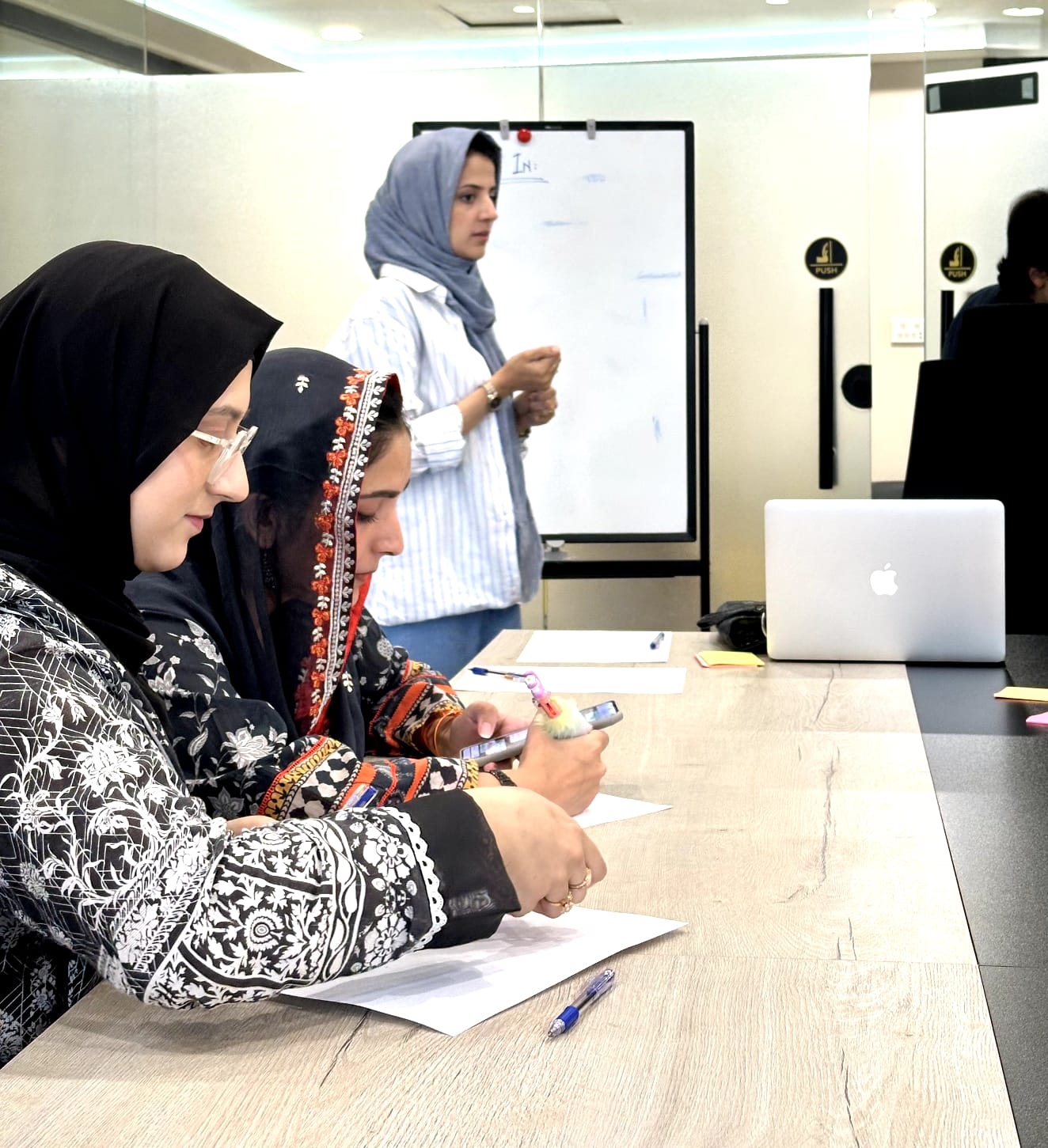
The second session of Progression Talks took a deliberate turn inward — away from systems and frameworks, and toward the people running them. Held at Paxico, Islamabad, the session gave the CWare team a structured space to explore their own moods, energy cycles, and emotional triggers.
The format was intentionally low-tech: paper-based, interactive, and requiring zero preparation from attendees. No slides to follow, no prior reading — just honest reflection and open conversation.
The central premise was simple: you cannot debug a system you don't understand. The same is true for yourself.
A Defining Insight
The session surfaced a pattern many in the room recognised but rarely named: the same task can feel effortless on a high-energy day and overwhelming on a low one. The question isn't how to always be high-energy — it's how to know where you are and communicate that clearly.
Key Highlights
- Mood Mapping: Identifying emotional states across a simple quadrant — high/low energy combined with positive/negative affect
- Trigger Awareness: Recognising the specific situations, people, or patterns that shift your state without you noticing
- Energy Cycles: Understanding personal peak and trough windows across the workday and week
- The Debug Mindset: Applying a calm, diagnostic lens to emotional experience — observe first, react second
- Team Transparency: How communicating your current state (not just your task status) reduces misreads and friction
- Recovery Patterns: Practical micro-habits to shift state intentionally rather than waiting it out
- Paper Activity: Each participant mapped their week's mood and energy retrospectively — patterns emerged immediately
Session Glimpses


Speaker
Moniba Ishtiaq is a Legal Advisor with a background in law and several years of experience working closely with tech teams. Alongside handling legal matters, Moniba focuses on supporting teams in their overall progress strengthening communication, aligning personal behaviors, and encouraging individual growth. Her goal is simple: to help teams work together more effectively, bring out their best, and contribute meaningfully to the success of their compa
Conclusion
The session left the room with a reframing worth holding on to:
You don't need to be in a perfect state to do great work — you need to know what state you're in, and work with it rather than against it.
Debugging yourself isn't a one-time fix. It's a practice — and this session was the starting point.
Continue the Series
Explore upcoming Progression Talks and continue building high-performance thinking across teams.
View Upcoming Talks →My Mood + My Energy: Debug Yourself
We debug production issues every day. This was 1 hour to turn that same lens inward — understanding our own emotional triggers and energy patterns so we can show up better for our teams.
Session Overview
The second session of Progression Talks took a deliberate turn inward — away from systems and frameworks, and toward the people running them. Held at Paxico, Islamabad, the session gave the CWare team a structured space to explore their own moods, energy cycles, and emotional triggers.
The format was intentionally low-tech: paper-based, interactive, and requiring zero preparation from attendees. No slides to follow, no prior reading — just honest reflection and open conversation.
The central premise was simple: you cannot debug a system you don't understand. The same is true for yourself.
A Defining Insight
The session surfaced a pattern many in the room recognised but rarely named: the same task can feel effortless on a high-energy day and overwhelming on a low one. The question isn't how to always be high-energy — it's how to know where you are and communicate that clearly.
Key Highlights
- Mood Mapping: Identifying emotional states across a simple quadrant — high/low energy combined with positive/negative affect
- Trigger Awareness: Recognising the specific situations, people, or patterns that shift your state without you noticing
- Energy Cycles: Understanding personal peak and trough windows across the workday and week
- The Debug Mindset: Applying a calm, diagnostic lens to emotional experience — observe first, react second
- Team Transparency: How communicating your current state (not just your task status) reduces misreads and friction
- Recovery Patterns: Practical micro-habits to shift state intentionally rather than waiting it out
- Paper Activity: Each participant mapped their week's mood and energy retrospectively — patterns emerged immediately
Session Glimpses
Speaker
Moniba Ishtiaq is a Legal Advisor with a background in law and several years of experience working closely with tech teams. Alongside handling legal matters, Moniba focuses on supporting teams in their overall progress strengthening communication, aligning personal behaviors, and encouraging individual growth. Her goal is simple: to help teams work together more effectively, bring out their best, and contribute meaningfully to the success of their compa
Conclusion
The session left the room with a reframing worth holding on to:
You don't need to be in a perfect state to do great work — you need to know what state you're in, and work with it rather than against it.
Debugging yourself isn't a one-time fix. It's a practice — and this session was the starting point.
Continue the Series
Explore upcoming Progression Talks and continue building high-performance thinking across teams.
View Upcoming Talks →