Building Effective Teams
Great teams don’t just happen — they are built intentionally through structured collaboration, communication clarity, and aligned execution.
Session Overview
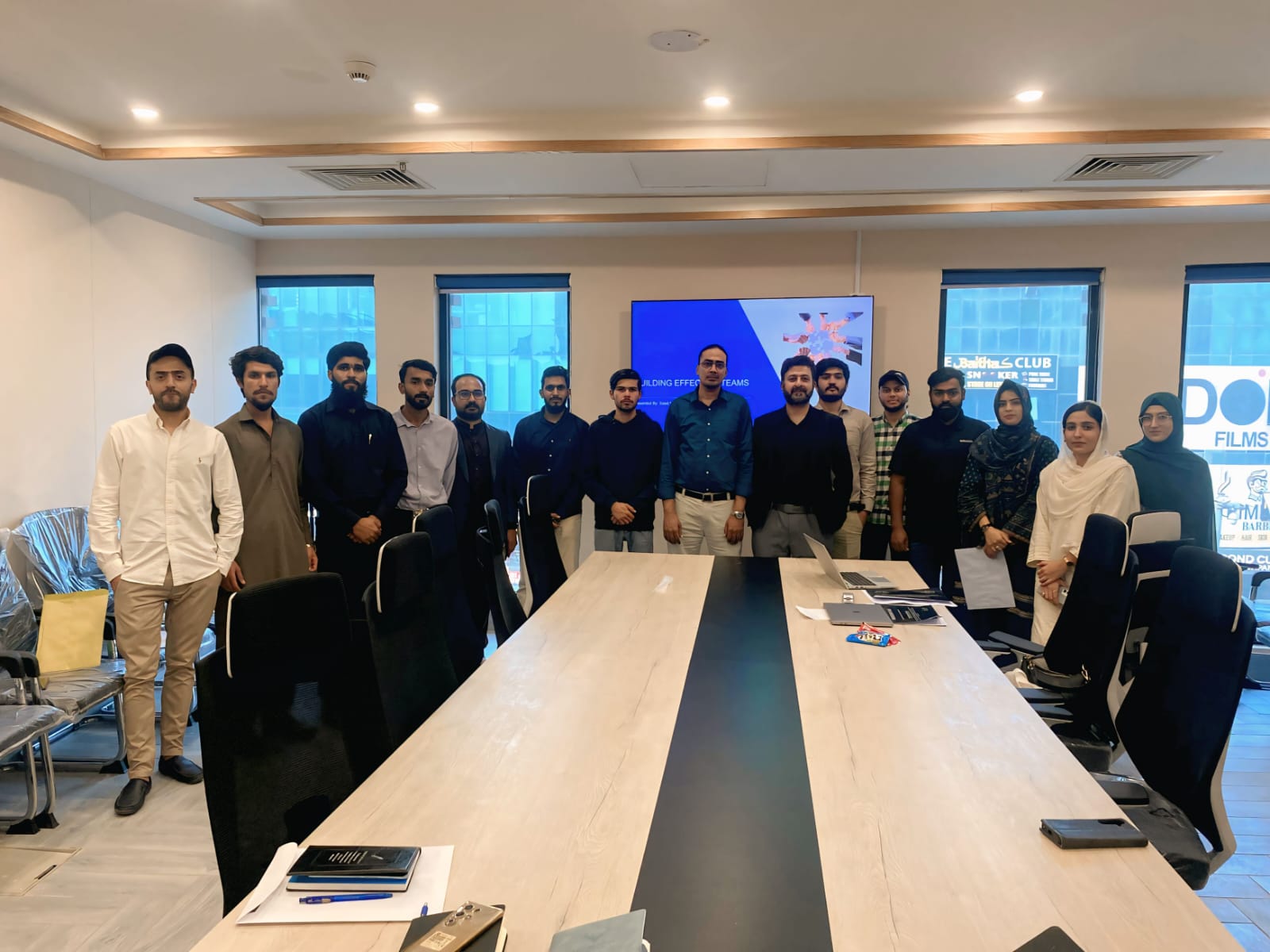
CWare Technologies hosted the first session of Progression Talks focused on improving how teams collaborate and execute projects effectively.
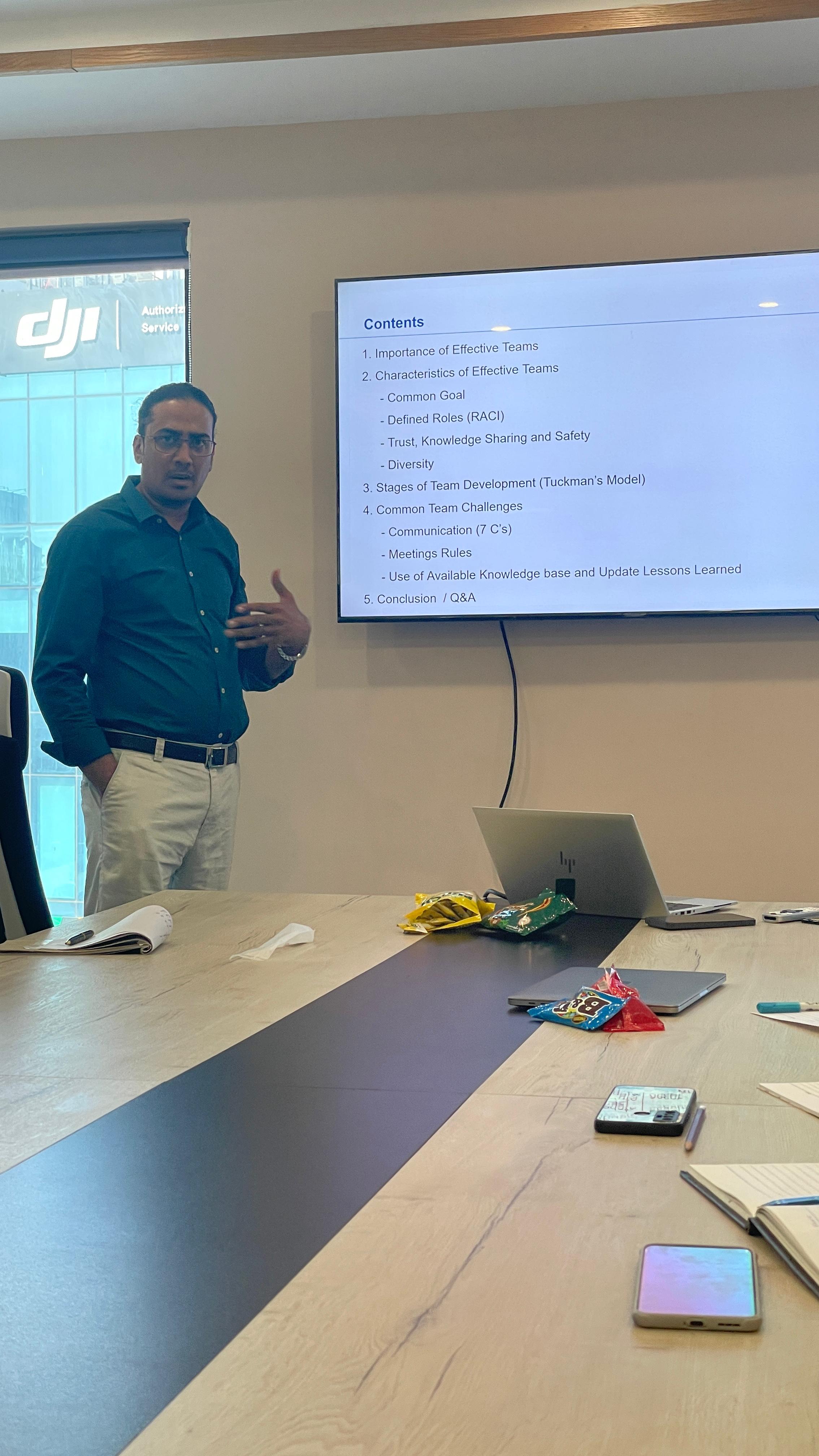
Led by Saad Habib, the session explored how communication structures, defined roles, and team dynamics directly influence performance outcomes across projects.
The central theme was clear: high-performing teams are intentionally designed, not randomly formed.
A Defining Insight
The takeaway is not that teams eliminate mistakes — but that structured collaboration significantly reduces them.
Key Highlights
- Effective Teams: Built on clear goals, defined roles, trust, and inclusivity
- RACI Framework: Establishes ownership clarity across tasks
- Communication Matrix: Defines who communicates what, when, and how
- 7 C’s of Communication: Clear, Concise, Concrete, Correct, Coherent, Complete, Courteous
- Tuckman’s Model: Forming → Storming → Norming → Performing → Adjourning
- Problem-Solving Flow: Problem → Understand → Verify → Solve
- Effective Meetings: Right stakeholders, clear agenda, focused outcomes
- Operational Discipline: Knowledge bases, SOPs, and documented learnings
Session Glimpses
Speaker
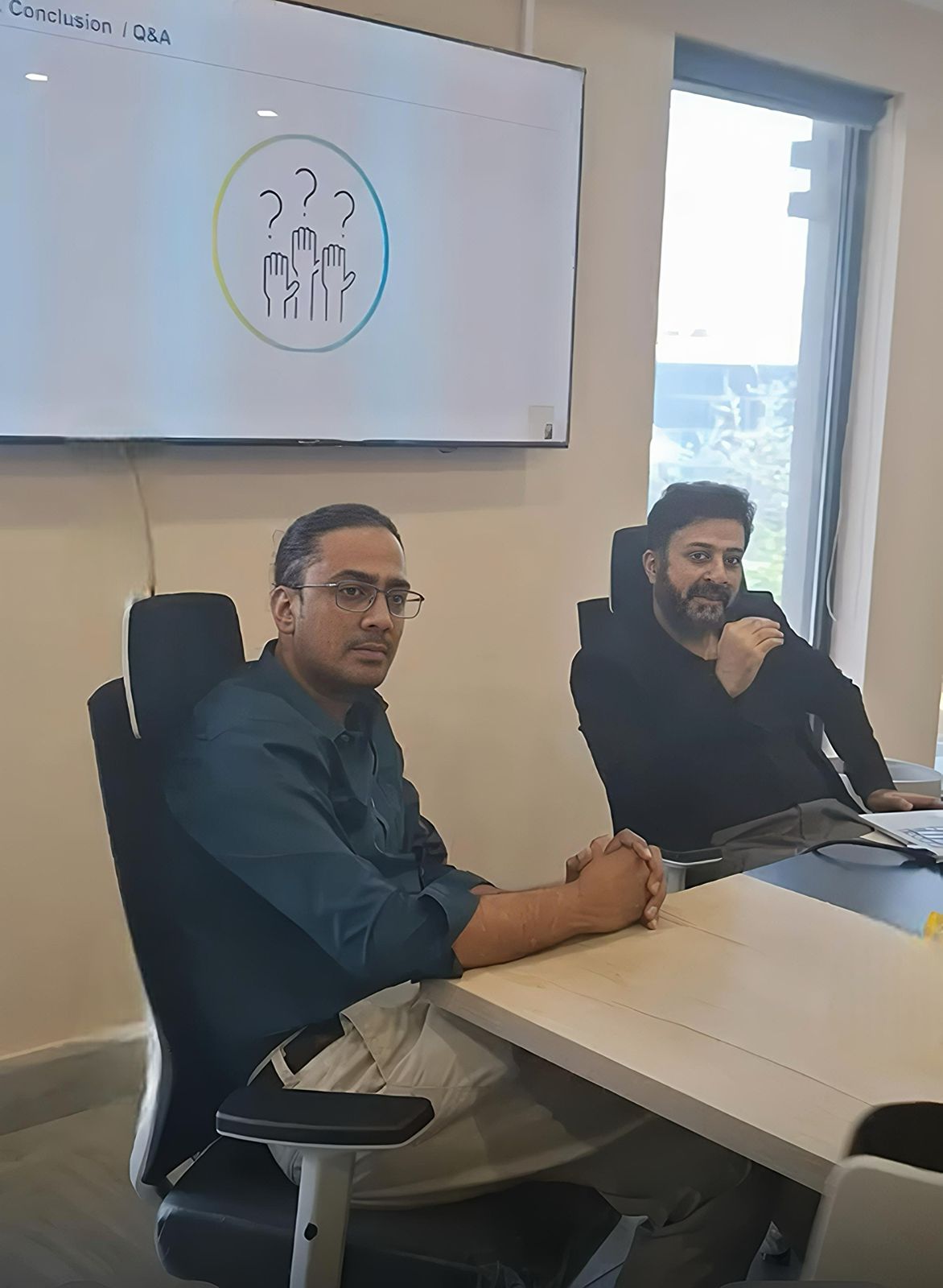
Delivered practical frameworks and real-world insights on team effectiveness, focusing on communication discipline, ownership clarity, and structured collaboration.
Conclusion
The session reinforced a straightforward but critical idea:
Strong teams are built through structure, communication, and collaboration — and that is what ultimately drives better execution and results.
Continue the Series
Explore upcoming Progression Talks and continue building high-performance thinking across teams.
View Upcoming Talks →Building Effective Teams
Great teams don’t just happen — they are built intentionally through structured collaboration, communication clarity, and aligned execution.
Session Overview
CWare Technologies hosted the first session of Progression Talks focused on improving how teams collaborate and execute projects effectively.
Led by Saad Habib, the session explored how communication structures, defined roles, and team dynamics directly influence performance outcomes across projects.
The central theme was clear: high-performing teams are intentionally designed, not randomly formed.
A Defining Insight
The takeaway is not that teams eliminate mistakes — but that structured collaboration significantly reduces them.
Key Highlights
- Effective Teams: Built on clear goals, defined roles, trust, and inclusivity
- RACI Framework: Establishes ownership clarity across tasks
- Communication Matrix: Defines who communicates what, when, and how
- 7 C’s of Communication: Clear, Concise, Concrete, Correct, Coherent, Complete, Courteous
- Tuckman’s Model: Forming → Storming → Norming → Performing → Adjourning
- Problem-Solving Flow: Problem → Understand → Verify → Solve
- Effective Meetings: Right stakeholders, clear agenda, focused outcomes
- Operational Discipline: Knowledge bases, SOPs, and documented learnings
Session Glimpses
Speaker
Delivered practical frameworks and real-world insights on team effectiveness, focusing on communication discipline, ownership clarity, and structured collaboration.
Conclusion
The session reinforced a straightforward but critical idea:
Strong teams are built through structure, communication, and collaboration — and that is what ultimately drives better execution and results.
Continue the Series
Explore upcoming Progression Talks and continue building high-performance thinking across teams.
View Upcoming Talks →